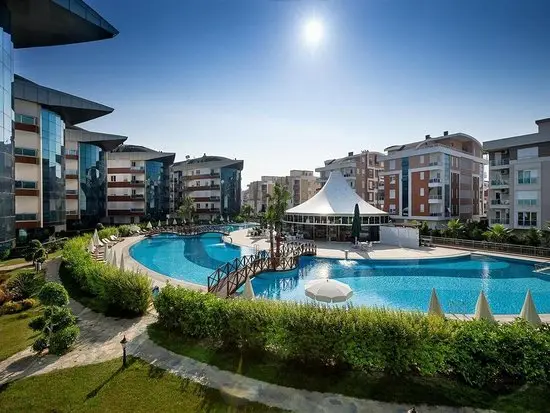
Understanding Turkish Men and Women: Culture, Character and Everyday Life
Hospitality, family traditions, a love of football, a relaxed sense of time and a special affection for cats. Personal observations on Turkish life and the people who make this country feel like home.
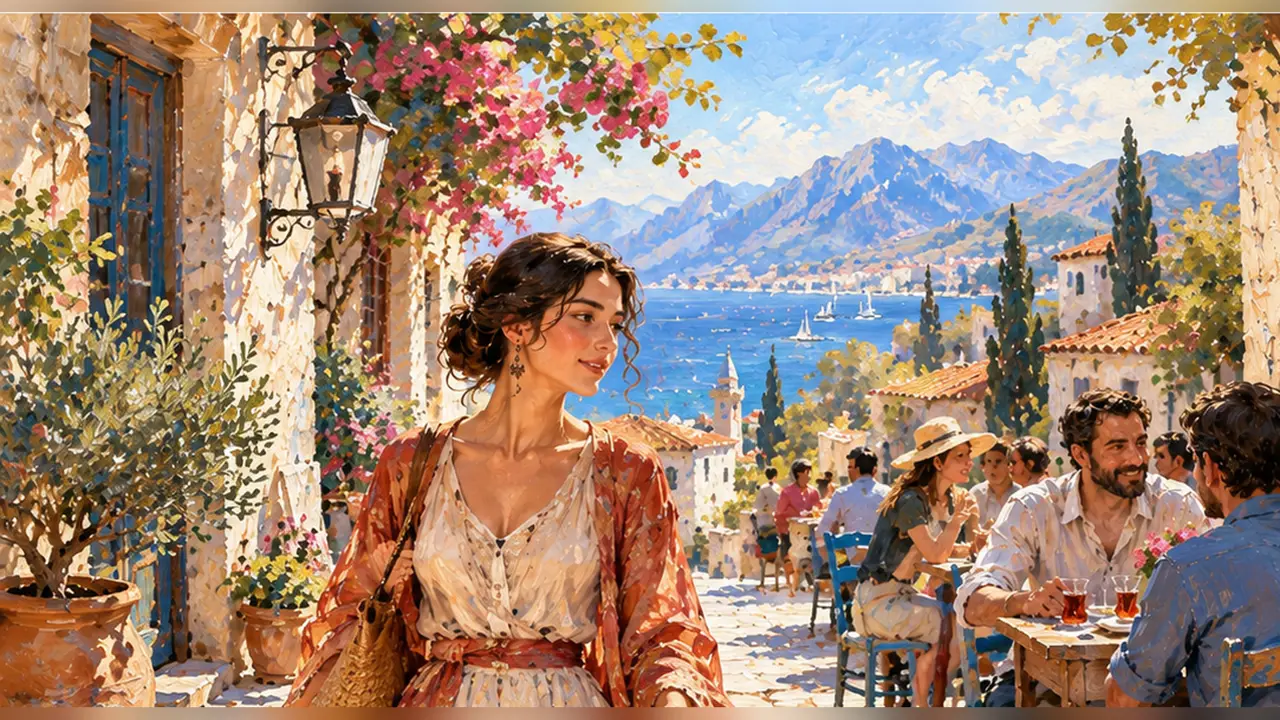
Understanding Turkish Men and Women: Culture, Character and Everyday Life
Turkey is a country of fascinating contrasts. Different peoples, languages and religions have coexisted here for centuries, and in recent years, the arrival of people from abroad has brought new influences to everyday life.
Many habits are changing before our eyes. When I first came to Turkey more than ten years ago, New Year's celebrations were relatively uncommon in many Turkish families. Today, it is perfectly normal to see families welcoming the new year in hotels and restaurants.
Living here has taught me that understanding Turkish culture is not simply about learning the language or becoming familiar with local customs. It is about discovering how people think, what they value and how they relate to one another.
Religion and Respect for Traditions
Islam is the predominant religion in Turkey, although the country is officially secular and freedom of religion is protected by its constitution. Religious traditions remain an important part of everyday life, but attitudes and practices vary considerably between individuals, families and regions.
A few simple considerations can help newcomers show respect for local customs.
Ramadan (Ramazan) is the Islamic month of fasting. Fasting during Ramadan is one of the Five Pillars of Islam. Those observing the fast refrain from eating, drinking and smoking between dawn and sunset. It is considerate to avoid eating or drinking conspicuously in front of someone who is fasting.
Eid al-Adha (Kurban Bayramı) is the Festival of Sacrifice, one of the most important religious holidays in Turkey. Ritual sacrifices take place in designated areas, and the holiday is also a time for family gatherings, generosity and sharing with others.
Understanding these traditions makes daily life easier and helps build genuine relationships with the people around you.
What Do Turkish People Love Most?
If someone asked me what Turkish people love most, my answer would probably be: children, football, picnics, rakı and kuru fasulye — the traditional dish of white beans slowly cooked in a rich sauce.
Children occupy a very special place in family life. Both mothers and fathers are deeply involved in raising them, and parents can sometimes be more indulgent than those of us from other cultures are accustomed to.
Marriage is often based on love and personal choice, although family traditions continue to play an important role. Some couples marry young, while others prefer to establish their careers and independence first.
When it comes to food, I have noticed that many Turkish people are quite attached to familiar flavours. Persuading someone to try sushi or an unfamiliar salad can occasionally be a challenge.
Of course, this is changing, particularly among younger generations and in larger cities, where international cuisine has become part of everyday life.
Hospitality and the Art of Communication
One of the qualities I appreciate most about life in Turkey is the warmth of everyday communication.
People are often open, welcoming and genuinely interested in others. Whether you are speaking with a shopkeeper, a public official or someone you have just met, a formal conversation can quickly become friendly.
A smile and a little goodwill can make a remarkable difference.
At the same time, communication styles are not always the same as those we are used to. Speaking loudly or emotionally may sometimes be interpreted as anger, particularly when there is a language barrier.
I remember occasions when we were simply joking with one another in Russian, only to realise that the people around us thought we were arguing. We had to explain that everything was perfectly fine.
These small cultural misunderstandings are part of adapting to life in another country.
A Special Affection for Animals
Anyone who has spent time in a Turkish city will have noticed its cats.
You can find them resting on café chairs, wandering through historic streets or sitting comfortably outside shops. Bowls of water and food are a familiar sight in many neighbourhoods.
Sometimes I think that cats in Turkey enjoy a status almost comparable to that of cows in India. Even in an elegant restaurant, a cat may be treated as an entirely welcome guest.
Many municipalities operate vaccination and sterilisation programmes for street animals, while local residents regularly provide food and water.
For visitors, this affection for animals is one of the most memorable features of everyday Turkish life.
Lotteries and a Little Excitement
Another detail that has always amused me is the popularity of lotteries.
Lottery tickets seem to appear everywhere, especially before the New Year. I occasionally buy one myself, although so far my greatest success has been winning back the price of the ticket.
Perhaps the pleasure lies less in the possibility of winning and more in the excitement of imagining what might happen.
A Different Relationship with Time
One of the adjustments I had to make after moving to Turkey was getting used to a somewhat different attitude towards time.
In my experience, schedules can sometimes be treated more flexibly than I was accustomed to. This does not apply to everyone, of course, but the difference can be noticeable in everyday life and business.
Many people seem to approach life with less urgency, which can be refreshing when you are on holiday but occasionally challenging when you are trying to organise something important.
Over the years, I have learned that the best approach is to agree on deadlines clearly, confirm arrangements and maintain communication.
In our own work with property buyers, we place particular importance on reliability, punctuality and keeping our promises.
Living between cultures teaches you to appreciate different ways of life without abandoning your own professional standards.
What Are Turkish Women Like?
I am often asked about Turkish women, their character, traditions and place in society.
Naturally, every woman is different, and it would be impossible to describe an entire country through a single set of characteristics.
Still, many Turkish women I have come to know share qualities I genuinely admire.
They often take great pride in their homes, enjoy cooking traditional dishes and pay close attention to family life. Many are confident, expressive and very aware of their own worth — qualities I believe we can all learn from.
In my personal experience, some Turkish women are wonderfully emotional and expressive. A lively family discussion can occasionally be heard well beyond the walls of the house.
I have also noticed a fondness for elegant clothes and striking makeup, although styles and preferences vary widely.
Attitudes towards sport, work and family roles have been changing considerably. Some women choose to devote themselves primarily to their homes and children, while many others combine family life with professional careers.
In major cities, women are increasingly visible across business, education, the arts and public life.
There is no single model of a Turkish woman, just as there is no single model of a Turkish family.
Learning to Feel at Home in Turkey
The longer I live in Turkey, the more I understand that its character cannot be reduced to a few familiar stereotypes.
It is a country where tradition and modernity exist side by side, where everyday conversations can become friendships and where even the smallest cultural differences gradually become part of your own experience.
For anyone considering a move to Turkey, understanding the rhythm of local life is just as important as choosing the right home.
You can explore the country's different regions in our Turkey destinations section, discover the neighbourhoods of Antalya, or read our Journal article “How to Evaluate a Neighbourhood: Its Surroundings and Daily Rhythm.”