
Construction quality: what a buyer can check
A show flat is built to be admired. A building is built to withstand decades of sun, salt and the occasional tremor. Here is how to tell the difference before you sign.
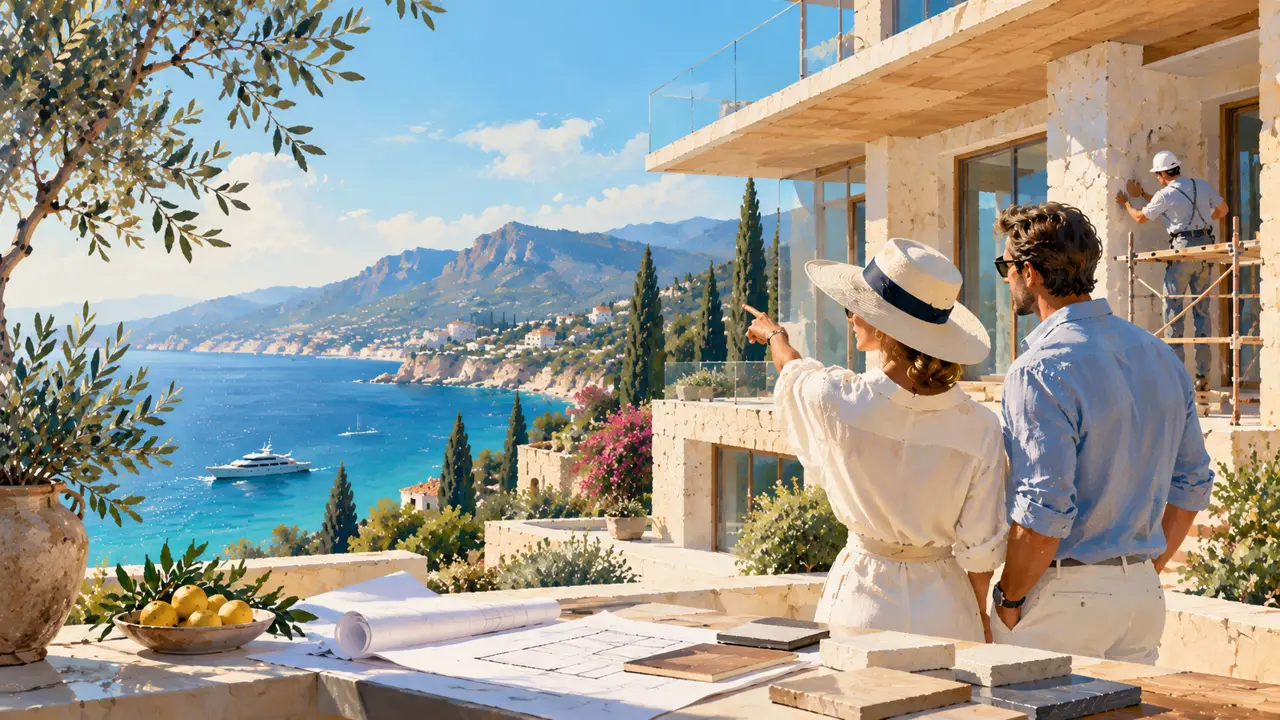
A show flat is a stage set. The lighting is warm, the furniture is chosen to make rooms look larger, the air conditioning has been running since morning. None of this is dishonest, but none of it tells you how the building will behave in its fifth August, or after its third wet winter on the coast.
Construction quality rarely shows in a brochure. It surfaces in details that take years to appear — a damp corner behind a wardrobe, a terrace draining towards the living room, a window that whistles when the wind turns. Some of this can be checked in an afternoon; the rest depends on the right questions and documents.
Start with the developer's older buildings
The most reliable preview of a new project is a building the same developer finished five or ten years ago. Visit it, ideally without a sales representative. Look for streaks beneath the window sills and cracked render at the corners. Walk the stairwell, check the lift and the car park, talk to a resident if one is willing. Ask whether earlier projects received their occupancy permits and title deeds without long delays — a lawyer can verify this.
Structure, seismic design and permits
Much of the Turkish coast lies in an active seismic zone. New buildings are expected to follow the current Turkish Building Earthquake Code, which, at the time of writing, applies to projects permitted since 2019. A buyer cannot judge a structure by eye, but can ask for the documents: the building permit, the soil survey report, the structural design and the name of the independent inspection firm that supervised construction.
For a completed building, the key document is the occupancy permit — iskan in everyday language. It confirms the building was inspected and is fit for use as approved. A flat without iskan may be cheaper, but it can complicate utility connections, title registration and a future sale. In a resale, the year of the permit matters: buildings designed under earlier codes deserve a closer look, sometimes an independent engineer's opinion. Rules change, so verify the current position with a lawyer at the moment of purchase.
Water, heat and sound
On the Mediterranean, water is the quiet adversary. Flat roofs, terraces and rooftop pools need a properly specified waterproofing membrane, correct falls towards the drains and careful detailing where floor meets wall. Ask which system was used and whether it carries a warranty. In a resale, look at the ceiling of the flat below a terrace and at the base of exterior walls.
Thermal insulation matters as much in Antalya's August as in a northern winter. A west-facing living room behind uninsulated walls and basic glazing will need air conditioning from noon until late evening. Ask about facade insulation and the windows: frame material, number of chambers, double or triple glazing, solar-control coating. Sound insulation is harder to see. Visit in the evening, close the windows and listen — a seaside road can be busier at midnight than at noon.
Humidity is the third test. Coastal winters are damp, and homes closed up for the season suffer most. Look for extract ventilation in bathrooms and kitchens and open the wardrobes along exterior walls. Even in a show flat, a faint smell of damp is worth noting.
Materials that age well in sun and salt
A good building looks better in its tenth year than in the brochure.
Natural stone and travertine weather gracefully when properly laid and sealed; cheap porcelain imitating marble can craze and chip. Near the sea, metal reveals quality quickly: railings, handles and outdoor fittings in low-grade steel rust within a season or two. Ask about the grade of stainless steel. Indoors, study the finishing: straight tile joints, unbroken silicone lines, doors that close without catching, sockets aligned with the tiling. When small things are done carefully, larger things usually were too.
Common areas, management and the questions to ask
A flat is only as good as the building around it. Look at the gardens, the pool plant room and the entrance in the off-season. Ask who manages the complex and what service charges cover.
Building permit, structural design and soil survey report; the name of the inspection firm
Occupancy permit (iskan) for a completed building, or the expected date for one under construction
Specification of waterproofing, insulation, window profiles and glazing
Warranty terms for the structure, roofs and installed equipment
Service charge budget, management contract and, where available, minutes of owners' meetings
Addresses of the developer's completed projects you can visit
How INEST HOMES approaches it
We are not engineers, and we do not pretend to be. What we do is look closely and ask early. We visit buildings, including a developer's older ones, and discuss what we see openly — flaws included. Our legal team, led by Inna Danilova, a lawyer with 20 years of practice, checks permits, iskan and title before a contract is signed. Where a structure raises questions, we recommend an independent engineer. The aim is simple: that you know what you are buying, not only how it looks on a bright morning.